
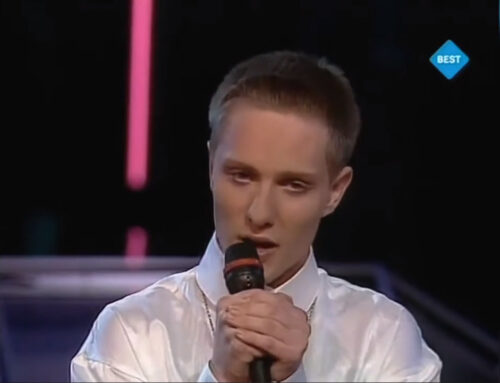
We know a lot about Eurovision and we want to share this knowledge with you! Therefore we’d like to bring you a blast from the past. Today this year’s last one before we fully head over to the national final season: Iceland 1989.
Iceland in the Eurovision Song Contest
Iceland’s journey in the Eurovision Song Contest is a tale of persistence, creativity, and cultural expression. Debuting in 1986, this small island nation has become a Eurovision staple, despite never securing the coveted first place. Iceland’s music scene, known for its distinctiveness and innovation, is reflected in their Eurovision entries, ranging from pop and rock to avant-garde and electronic.
Iceland’s near-victories include the uptempo song Selma presented in 1999: “All Out Of Luck” and Yohanna‘s heartfelt ballad “Is It True?” in 2009. Both songs reached a 2nd place. Daði og Gagnamagnið‘s quirky, yet catchy “Think About Things” was the top favourite to win in 2020. Unfortunately it didn’t happen as the contest was cancelled due to COVID19.
One Icelandic entry ended up with a zero: “Það sem enginn sér” by Daniel Ágúst Haraldsson. That is the song we talk about today.
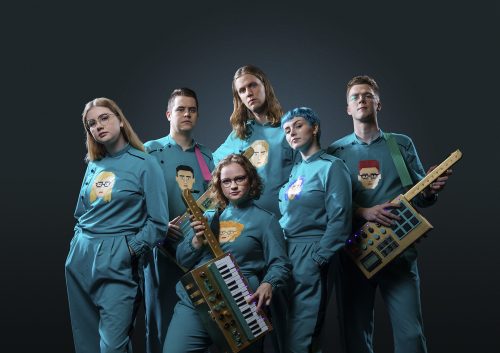
photo: RUV
Söngvakeppnin 1989
The Icelandic national final is called Söngvakeppnin. In 1989 it contained only five songs, being:
- “Það sem enginn sér“, by Daniel Ágúst Haraldsson, 66 pts, 1st
- “Þú leiddir mig i ljós“, by Jóhanna Linnet, 30 pts, 5th
- “Linudans“, by Ellen Kristjánsdóttir & Mannakorn, 58 pts, 2nd
- “Sóley“, by Björgvin Halldórsson & Katla Maria, 44 pts, 4th
- “Alpatwist” by Bítlavinafélagið, 58 pts, 2nd
When the winner was announced, it was not a happy moment for Daniel. Whoever saw the national final could conclude that the singer didn’t express a single sign of happiness. The entire show can be watched here.
Daniel Ágúst Haraldsson
Daniel Ágúst Haraldsson, an Icelandic musician with a distinctive artistic vision, has carved a unique niche in the world of music. Born on August 26, 1969, in Reykjavik, Iceland, Daniel Ágúst grew up in a country known for its rich musical heritage and stunning landscapes, both of which have influenced his artistic journey.
Daniel Ágúst’s musical career began to take shape in the 1980s when he co-founded the band Nýdönsk, one of Iceland’s most popular bands. Known for their blend of rock and brass, Nýdönsk became a cornerstone of the Icelandic music scene. His tenure with Nýdönsk showcased his versatility as a musician and his ability to blend different genres seamlessly.
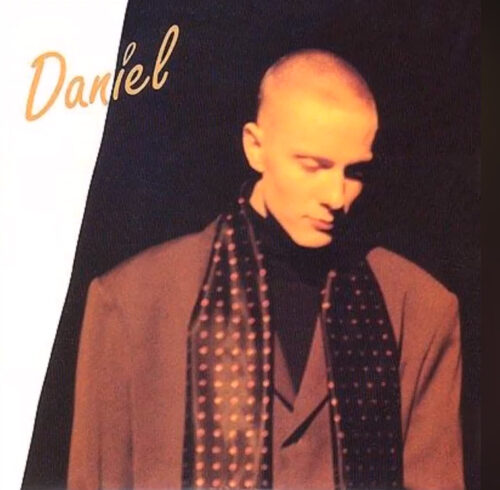
In 1989, as said, he won Söngvakeppnin and thus represented Iceland in the Eurovision Song Contest. Unfortunately, Daniel didn’t manage to earn any points with his song.
In 1994, Daniel Ágúst’s musical direction took a significant turn when he joined GusGus, a collective known for its eclectic mix of electronic, house, and techno music. As one of the founding members, he contributed to the band’s first two albums, notably their self-titled debut and “Polydistortion,” which gained international acclaim. His work with GusGus solidified his reputation as a talented and innovative artist in the electronic music scene.
After his stint with GusGus, Daniel Ágúst embarked on a solo career, exploring new musical territories. His solo debut, “Swallowed a Star” (2005), was a critical success, lauded for its experimental approach and emotional depth. The album demonstrated his ability to craft intricate soundscapes that are both haunting and beautiful.
Aside from his band and solo work, Daniel Ágúst has been involved in various collaborations and projects, contributing to film soundtracks and working with other artists.
Það sem enginn sér
“Það sem enginn sér” stands out for its emotive and introspective nature, showcasing Daniel Ágúst’s distinctive vocal style. The song’s lyrical depth, exploring themes of introspection and the unseen struggles of the human experience, resonated with the Icelandic audience, making it a strong choice for Eurovision. The song was written and composed by Valgeir Guðjónsson, who previously wrote the 1987 Icelandic entry for Halla Márgret.
However, despite its artistic merit and Daniel Ágúst’s compelling performance, “Það sem enginn sér” faced an unexpected setback at the contest. In a turn of events that stunned both the Icelandic delegation and Eurovision fans, the song received zero points, joining the infamous “nul points” club in Eurovision history.


