

Five countries will act tonight

No less than five countries will show at least something today.
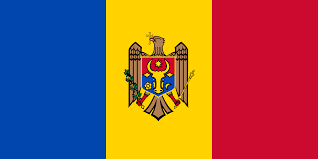
Moldova starts today. You can watch the live auditions at 14:00 CET here, where 35 artists will perform, in order to make a selection for the national final. 35, while 36 songs are in the race: Angel Kiss perform to songs. 

Norway continues with their semifinals. The show will start at 19:50 CET and can be watched here. The fourth one will contain four songs again, performed in duels:

  • Hege Bjerk, “Pang”
  • Magnus Bokn, “Over the sea”
  • Nordic Tenors, “In this special place”
  • Oda Loves You, “Love who we love”

At 20.00 CET also Israel will have another show: a semifinal of  Hakokhav Haba l’Eurovizion! You can watch it here. Four artists will perform and only two of them will head to the final….   The four artists performing tonight are:

  • Eden Alene
  • Ella-Lee Lahav
  • Lali Kolishkin
  • Ohad Shragai

Lithuania will also have a semifinal at 20:00 CET, which can be watched here and here.  It’s the first of three semifinals. The contestants tonight are:

  • KaYra, “Alligator”
  • Viktorija Miškūnaitė, “The ocean”
  • Baltos Varnos, “Namų dvasia”
  • Rūta Loop, “We came from the sun”
  • Gabrielus Vagelis, “Tave čia randu”
  • The Roop, “On fire”
  • Kristina Jure, “My sound of silence”
  • Alen Chicco, “Somewhere out there”
  • Aistė Pilvelytė, “Unbreakable”

And last, but not least: Melodifestivalen, the Swedish national final.  This contest also starts at 20:00 CET and can be watched here. Seven songs compete. Two will head directly to the final, while two other songs will go to “Andra Chancen”, the second chance festival of Melodifestivalen.

  • The Mama’s, “Move”
  • Suzi P, “Moves”
  • Robin Bengtsson, “Take a chance”
  • Malou Prytz, “Ballerina”
  • OVÖ, “Inga problem”
  • Sonja Aldén, “Sluta aldrig gå”
  • Felix Sandman, “Boys with emotions”

The Mama’s and Robin Bengtsson already have been at the Eurovision stage: The Mama’s last year as the backing choir of John Lundvik, Robin Bengtsson represented Sweden in 2017 with the song “I can’t go on”.  Malou Prytz became last in the final in 2019. Sonja Aldén has taken part as a songwriter several times, but as a singer we saw her in 2007 and 2012. Felix Sandman was in the final twice before: in 2017 with the boyband FO&O, in 2018 he was the runner up as a solo singer.

Related news

History

70 years of Eurovision: sadness and hapiness

The Eurovision Song Contest is celebrating its 70th anniversary. That is a wonderful milestone. We at Eurovision Universe love diving into the history of the contest. That is why we are taking a closer look at the contests of the past 70 years. 1980 There had been plans for an open-air Eurovision Song Contest at the Sea of ​​Tiberias. The Israeli broadcaster simply ran out of money to organize the contest. Eventually, the Netherlands took over. The Dutch broadcaster used the scripts from 1976 again. Even the opening film was the same as back then. Israel itself did not participate. The festival coincided with a memorial day there. Monaco also dropped out, but Morocco participated for the first time. Marloes Fluitsma hosted the event. She was extremely nervous. ‘Dames en heren, hallo, (Ladies and gentlemen, hello)’ she opened the contest. Without any spontaneity, she struggled her way through the event. Thank goodness, every country had brought its own presenter for this 25th Eurovision Song Contest. Katja Ebstein participated for Germany for the third time. She was accompanied by a group of backing vocals dressed as clowns. Maggie MacNeal made a comeback for the Netherlands; At the time as half of a duo, now solo and with the song “Amsterdam”. Paola, who had already represented Switzerland in 1969, was also present. Her song “Cinéma” dealt with Mickey Mouse, Charlie Chaplin, and Buster Keaton, among others. All three returning candidates finished in the top 5. Also noteworthy was Turkey, which returned and immediately sent a politically charged song, about oil of course: “Petr’oil”. Morocco sent Samira Ben Said, who would later become a major star throughout the entire Arab world as Samira Said. Another notable entry was that of Luxembourg. The French twins Sophie and Magaly participated for that country. The singing was not very in tune. Things did not end well for the twins in the end. Both died young. The song, “Le papa pingouin”, would become a number 1 hit in France twenty years later. Besides Turkey, Norway also submitted a politically charged song. This country called attention to a Norwegian minority, the Sami, who live in the north of Scandinavia. The yoik, a special Sami chant, could be heard in this song. Singer Mattis Hætta wore a matching costume. Johnny Logan Ireland was not really the favorite for the final victory. Kudos however to Johnny Logan for his good singing and simple performance, and for the saxophone solo included in the song. Against all expectations, it was all enough for an Irish victory. “He’s so happy, isn’t he?” Marloes Fluitsma sighed when Logan stormed onto the stage as the winner. Johnny Logan initially managed to capitalize on his victory. However, due to lawsuits and contract issues, he failed to build a major career. But more on that later. 1981 For the second time, the festival went to Dublin, this time to the Royal Dublin Society. Morocco dropped out, but Cyprus made its debut. Yugoslavia returned. Doireann Ni Bhriain was the host. She did a fine job, even when things went wrong with the Yugoslav jury. After she called out to the jury several times, a loud ‘Hello’ rang out, after which she asked for the points. “I don’t have it,” a somewhat surprised jury chairwoman announced. It took a while before she finally announced the points. Marty Brem participated for Austria for the second time. However, no one understood the ballet that accompanied the Austrian entry. Tommy Seebach (Denmark) also participated for the second time. Maxi (Ireland) was a member of the group Sheeba, and Björn Skifs participated for Sweden again. Peter, Sue, and Marc performed for Switzerland for the fourth and final time. And, very remarkably, Jean-Claude Pascal, the winner of 1961, performed for Luxembourg! Just like the two previous years, Ralph Siegel and Bernd Meinunger wrote the entry for Germany, this time “Johnny Blue” for Lena Valaitis. It became an international hit and a Eurovision evergreen. For Norway, Finn Kalvik sang the ballad “Aldri i livet”. At the record, he was accompanied by none other than Agnetha and Frida from Abba. However, they were not present during the live broadcast. And unfortunately, no one had any points left for Kalvik. Bucks Fizz The group that represented the United Kingdom was formed specifically for the Eurovision Song Contest: Bucks Fizz. One of the members, Cheryl Baker, had previously participated with the group Co-Co. Two men and two women, modeled after ABBA, sang “Making Your Mind Up”. The group members were dressed in primary colors; the ladies wore long skirts. Halfway through the act, the men pulled off the ladies’ skirts, and the women suddenly appeared to be wearing miniskirts. It made such an impression that the poor singing went unnoticed. “I started half a tone too high and sang the whole song off-key. And yet I won,” Cheryl Baker later explained. Bucks Fizz did manage to secure the victory. Not only was their Eurovision song a huge success, but less than a year later, the group topped all European charts again with the song “The Land Of Make Believe”. The group still exists, although only one member from the original lineup, Bobby G, is still involved. After the votes came in and Bucks Fizz had won, the group was jumping around enthusiastically and happily. That was in strong contrast to Johnny Logan, who came to present the award. It was clear that all the joy surrounding his victory had vanished from him: Logan had clearly not had a good year.

Read More »
History
Martijn

70 years of Eurovision: sadness and hapiness

The Eurovision Song Contest is celebrating its 70th anniversary. That is a wonderful milestone. We at Eurovision Universe love diving into the history of the contest. That is why we are taking a closer look at the contests of the past 70 years. 1980 There had been plans for an open-air Eurovision Song Contest at the Sea of ​​Tiberias. The Israeli broadcaster simply ran out of money to organize the contest. Eventually, the Netherlands took over. The Dutch broadcaster used the scripts from 1976 again. Even the opening film was the same as back then. Israel itself did not participate. The festival coincided with a memorial day there. Monaco also dropped out, but Morocco participated for the first time. Marloes Fluitsma hosted the event. She was extremely nervous. ‘Dames en heren, hallo, (Ladies and gentlemen, hello)’ she opened the contest. Without any spontaneity, she struggled her way through the event. Thank goodness, every country had brought its own presenter for this 25th Eurovision Song Contest. Katja Ebstein participated for Germany for the third time. She was accompanied by a group of backing vocals dressed as clowns. Maggie MacNeal made a comeback for the Netherlands; At the time as half of a duo, now solo and with the song “Amsterdam”. Paola, who had already represented Switzerland in 1969, was also present. Her song “Cinéma” dealt with Mickey Mouse, Charlie Chaplin, and Buster Keaton, among others. All three returning candidates finished in the top 5. Also noteworthy was Turkey, which returned and immediately sent a politically charged song, about oil of course: “Petr’oil”. Morocco sent Samira Ben Said, who would later become a major star throughout the entire Arab world as Samira Said. Another notable entry was that of Luxembourg. The French twins Sophie and Magaly participated for that country. The singing was not very in tune. Things did not end well for the twins in the end. Both died young. The song, “Le papa pingouin”, would become a number 1 hit in France twenty years later. Besides Turkey, Norway also submitted a politically charged song. This country called attention to a Norwegian minority, the Sami, who live in the north of Scandinavia. The yoik, a special Sami chant, could be heard in this song. Singer Mattis Hætta wore a matching costume. Johnny Logan Ireland was not really the favorite for the final victory. Kudos however to Johnny Logan for his good singing and simple performance, and for the saxophone solo included in the song. Against all expectations, it was all enough for an Irish victory. “He’s so happy, isn’t he?” Marloes Fluitsma sighed when Logan stormed onto the stage as the winner. Johnny Logan initially managed to capitalize on his victory. However, due to lawsuits and contract issues, he failed to build a major career. But more on that later. 1981 For the second time, the festival went to Dublin, this time to the Royal Dublin Society. Morocco dropped out, but Cyprus made its debut. Yugoslavia returned. Doireann Ni Bhriain was the host. She did a fine job, even when things went wrong with the Yugoslav jury. After she called out to the jury several times, a loud ‘Hello’ rang out, after which she asked for the points. “I don’t have it,” a somewhat surprised jury chairwoman announced. It took a while before she finally announced the points. Marty Brem participated for Austria for the second time. However, no one understood the ballet that accompanied the Austrian entry. Tommy Seebach (Denmark) also participated for the second time. Maxi (Ireland) was a member of the group Sheeba, and Björn Skifs participated for Sweden again. Peter, Sue, and Marc performed for Switzerland for the fourth and final time. And, very remarkably, Jean-Claude Pascal, the winner of 1961, performed for Luxembourg! Just like the two previous years, Ralph Siegel and Bernd Meinunger wrote the entry for Germany, this time “Johnny Blue” for Lena Valaitis. It became an international hit and a Eurovision evergreen. For Norway, Finn Kalvik sang the ballad “Aldri i livet”. At the record, he was accompanied by none other than Agnetha and Frida from Abba. However, they were not present during the live broadcast. And unfortunately, no one had any points left for Kalvik. Bucks Fizz The group that represented the United Kingdom was formed specifically for the Eurovision Song Contest: Bucks Fizz. One of the members, Cheryl Baker, had previously participated with the group Co-Co. Two men and two women, modeled after ABBA, sang “Making Your Mind Up”. The group members were dressed in primary colors; the ladies wore long skirts. Halfway through the act, the men pulled off the ladies’ skirts, and the women suddenly appeared to be wearing miniskirts. It made such an impression that the poor singing went unnoticed. “I started half a tone too high and sang the whole song off-key. And yet I won,” Cheryl Baker later explained. Bucks Fizz did manage to secure the victory. Not only was their Eurovision song a huge success, but less than a year later, the group topped all European charts again with the song “The Land Of Make Believe”. The group still exists, although only one member from the original lineup, Bobby G, is still involved. After the votes came in and Bucks Fizz had won, the group was jumping around enthusiastically and happily. That was in strong contrast to Johnny Logan, who came to present the award. It was clear that all the joy surrounding his victory had vanished from him: Logan had clearly not had a good year.

Read More »
Follow Us: