🇱🇺 Luxembourg selects a song

Tonight is the night: Luxembourg selects a song. Last year they returned to Eurovision after a long break… and they stay! The show starts at 20:00 and you can watch it here. The show will be held in the Rockhal in Esch-zur-Alzette. Out of 7 songs, an international jury ánd televoters will select the entry for Luxembourg

Below you’ll find the list of contestants:

nr Song Artist  
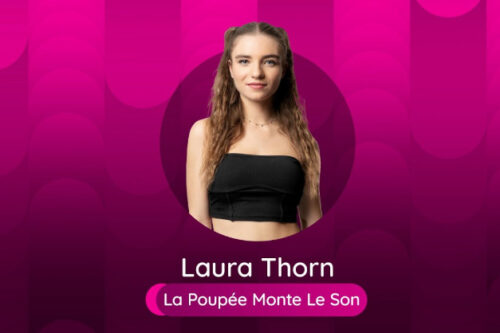
1 La poupée monte le son Laura Thorn
2 Je danse Luzac
3 Human Eyes Mäna
4 Gambler’s song One Last Time
5 No Thank You Rafa Ela
6 Stronger Rythmic Soulwave
7 Ride Zero Point Five

Last year, One Last Time took part in the national final too. The band became 6th.
Rafa Ela parfticipated too last year, in a duet with Angy Sciacqua. They were 5th.

Luxembourg in the Eurovision Song Contest

Luxembourg has an illustrious history in the Eurovision Song Contest, despite a long absence. The country participated in the very first contest in 1956 and became one of the competition’s most successful nations, winning five times between 1961 and 1983. The first victory came in 1961 with Jean-Claude Pascal’s “Nous les amoureux”, followed by a win in 1965 with “Poupée de cire, poupée de son” by France Gall. The 1970s and early 1980s saw Luxembourg continuing to shine with standout performances, including Vicky Leandros‘s “Après Toi” (1972), Anne-Marie David‘s “Tu te reconnaîtras” (1973) and Corinne Hermès‘s “Si la vie est cadeau” (1983).

Luxembourg’s strategic approach involved often hiring famous international artists and songwriters, giving the country an edge in a competition where musical quality and presentation were key. However, financial difficulties and shifting priorities led to Luxembourg’s withdrawal after 1993, leaving fans nostalgic for their golden years.

In 2024, Luxembourg made its triumphant return to the Eurovision Song Contest, marking its first appearance in 30 years. 

Related news

Uncategorized

70 years of Eurovision: small studios and lost footage

The Eurovision Song Contest is celebrating its 70th anniversary. That is a wonderful milestone. We at Eurovision Universe love diving into the history of the contest. That is why we are taking a closer look at the contests of the past 70 years. 1962 Eurovision traveled to Luxembourg City, the capital of Luxembourg. Everything was just a little too small in this small country. Luxembourg television received assistance from the German broadcaster ZDF. The presentation was in the hands of Mireille Delannoy. The same sixteen countries as in 1961 participated. Camillo Felgen took part for Luxembourg yet again. With a third place, he did much better this time than two years before. But the absolute top favorite was Germany. Dutch commentator Willem Duys introduced her with the words: “She looked as if she had just won the entire Grand Duchy in a lottery.” After hearing the competition, she was slightly less self-assured. Ultimately, she would finish sixth with her “Zwei Kleine Italiener.” However, she did have the contest’s big hit. The French-speaking countries were in charge this year. Luxembourg itself came third, Monaco second, and France won. A ballad by Isabelle Aubret about, of course, love. Aubret received 26 points with her “Un premier amour.” That was double the score of the runner-up. That year, there were even four countries that received no points at all! That was a first time. But that didn’t bother Isabelle Aubret; she won! 1963 Because France had had enough of organizing by then, the United Kingdom took over. The festival was held in various studios of the brand-new BBC Television Centre in London. Host Cathy Boyle was in one studio, the artists in another, and the orchestra in yet another studio. This made it look just as if the viewer was watching a pop music show from those days. Big stars tried their luck. Françoise Hardy participated for Monaco, Nana Mouskouri for Luxembourg, Carmela Corren for Austria, and Esther Ofarim for Switzerland. Hardy was deeply disappointed when she discovered that she wasn’t allowed to lip-sync. Mouskouri walked away crying and stamping her feet afterwards. She was nowhere to be found at the afterparty. Switzerland won. But then the Norwegian jury had to vote one more time. The jury spokesman spoke way too fast. Cathy Boyle had been unable to repeat the points. The second time, Norway suddenly submitted a completely different result. As a result, it was not Switzerland that won, but Denmark instead. An investigation by the EBU later revealed that the Norwegians didn’t cheat. When they were called, the points had not yet been ready. Esther Ofarim has always said that she was the winner. But it was ultimately the Danish couple Grethe and Jørgen Ingmann with the three-quarter time “Dansevise”. 1964 Copenhagen was the venue. Not much footage of this festival has been preserved. Only the opening scene and parts of the winner’s performance remain. Sweden did not participate. A musicians’ strike resulted in a withdrawal. The Swedes could not send a participant to their neighboring country. However, because Portugal made its debut, the number of participants remained 16. Host Lotte Waever hosted the show. It was held at the Tivoli Theater in Copenhagen. Big stars did not come to Copenhagen. That is to say: Udo Jürgens, who participated for Austria, only achieved international breakthrough later. A trio participated for Spain: the Uruguayan group Los TNT. That is not allowed. The two male members of the group were therefore relegated to a backing choir. The broadcast did not go smoothly. Midway through, a demonstrator managed to get onto the stage. He held up a sign reading ‘Boycott Franco and Salazar’, referring to the dictators of Spain and Portugal. Little of it was visible on television. However, photos were taken of the incident. It did not get exciting that evening. Italy won with 49 points. By comparison: the runner-up, the United Kingdom, had 17. It was sixteen-year-old Gigliola Cinquetti who captured the hearts of viewers and jury members. She sang the innocent “Non ho l’eta” (I am not old enough yet). It became not only the winner of the Eurovision Song Contest, but also a worldwide hit. The EBU recently posted a video on the Eurovision YouTube channel with a complete reconstruction of the performance.

Read More »
Uncategorized
Martijn

70 years of Eurovision: small studios and lost footage

The Eurovision Song Contest is celebrating its 70th anniversary. That is a wonderful milestone. We at Eurovision Universe love diving into the history of the contest. That is why we are taking a closer look at the contests of the past 70 years. 1962 Eurovision traveled to Luxembourg City, the capital of Luxembourg. Everything was just a little too small in this small country. Luxembourg television received assistance from the German broadcaster ZDF. The presentation was in the hands of Mireille Delannoy. The same sixteen countries as in 1961 participated. Camillo Felgen took part for Luxembourg yet again. With a third place, he did much better this time than two years before. But the absolute top favorite was Germany. Dutch commentator Willem Duys introduced her with the words: “She looked as if she had just won the entire Grand Duchy in a lottery.” After hearing the competition, she was slightly less self-assured. Ultimately, she would finish sixth with her “Zwei Kleine Italiener.” However, she did have the contest’s big hit. The French-speaking countries were in charge this year. Luxembourg itself came third, Monaco second, and France won. A ballad by Isabelle Aubret about, of course, love. Aubret received 26 points with her “Un premier amour.” That was double the score of the runner-up. That year, there were even four countries that received no points at all! That was a first time. But that didn’t bother Isabelle Aubret; she won! 1963 Because France had had enough of organizing by then, the United Kingdom took over. The festival was held in various studios of the brand-new BBC Television Centre in London. Host Cathy Boyle was in one studio, the artists in another, and the orchestra in yet another studio. This made it look just as if the viewer was watching a pop music show from those days. Big stars tried their luck. Françoise Hardy participated for Monaco, Nana Mouskouri for Luxembourg, Carmela Corren for Austria, and Esther Ofarim for Switzerland. Hardy was deeply disappointed when she discovered that she wasn’t allowed to lip-sync. Mouskouri walked away crying and stamping her feet afterwards. She was nowhere to be found at the afterparty. Switzerland won. But then the Norwegian jury had to vote one more time. The jury spokesman spoke way too fast. Cathy Boyle had been unable to repeat the points. The second time, Norway suddenly submitted a completely different result. As a result, it was not Switzerland that won, but Denmark instead. An investigation by the EBU later revealed that the Norwegians didn’t cheat. When they were called, the points had not yet been ready. Esther Ofarim has always said that she was the winner. But it was ultimately the Danish couple Grethe and Jørgen Ingmann with the three-quarter time “Dansevise”. 1964 Copenhagen was the venue. Not much footage of this festival has been preserved. Only the opening scene and parts of the winner’s performance remain. Sweden did not participate. A musicians’ strike resulted in a withdrawal. The Swedes could not send a participant to their neighboring country. However, because Portugal made its debut, the number of participants remained 16. Host Lotte Waever hosted the show. It was held at the Tivoli Theater in Copenhagen. Big stars did not come to Copenhagen. That is to say: Udo Jürgens, who participated for Austria, only achieved international breakthrough later. A trio participated for Spain: the Uruguayan group Los TNT. That is not allowed. The two male members of the group were therefore relegated to a backing choir. The broadcast did not go smoothly. Midway through, a demonstrator managed to get onto the stage. He held up a sign reading ‘Boycott Franco and Salazar’, referring to the dictators of Spain and Portugal. Little of it was visible on television. However, photos were taken of the incident. It did not get exciting that evening. Italy won with 49 points. By comparison: the runner-up, the United Kingdom, had 17. It was sixteen-year-old Gigliola Cinquetti who captured the hearts of viewers and jury members. She sang the innocent “Non ho l’eta” (I am not old enough yet). It became not only the winner of the Eurovision Song Contest, but also a worldwide hit. The EBU recently posted a video on the Eurovision YouTube channel with a complete reconstruction of the performance.

Read More »
Follow Us: