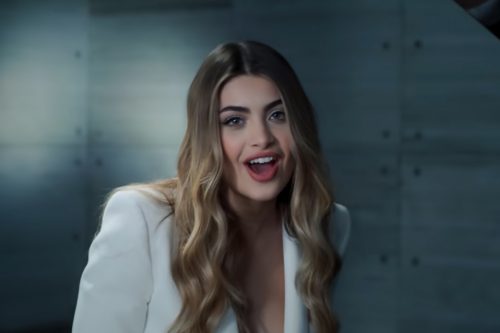
Emma Muscat: Many people can relate to “I am what I am”

Emma Muscat will perform for Malta in the second semifinal of the Eurovision Song Contest. In 2016 she released her first single “Alone” on her YouTube channel and later in 2017 she released her second single “Without You”.

In 2018 she released her first EP. A year later, her first official single was released, “Avec moi”, featuring singer Biondo. In 2020 followed the hit “Sangria”, a duet with the Italian rapper Astol.

Our reporter Kal spoke to Emma; of course he asked her why she traded in the winning song from the Maltese final. Many people can relate to “I am what I am,” she explains, making more comparisons between the two songs in the meantime. Which of the two does she like best? That’s what she tells in this video… or not?

Related news

Eurovision 2026

Road to Vienna: Armenia

Road to Vienna: Armenia As the Eurovision Song Contest 2026 in Vienna approaches, we continue our daily spotlight on this year’s contestants. Today, we focus on Armenia. Simón: Family man and Armenian Pop Singer Simón (born Simon Hovhannisyan on August 9, 1994) is an Armenian singer from Hrazdan. Raised in a family of doctors, he discovered his passion for music and dance at a young age. Inspired by Michael Jackson, he developed a high-energy performance style that blends vocals with choreography. By his late teens, he was already performing locally and sharing music online. Career Beginnings in Yerevan Simón gained experience in Yerevan’s entertainment scene, notably performing at Coba Yerevan. His dynamic stage presence and strong vocals helped him build recognition. In 2021, he expanded his reach through YouTube and social media, refining his craft and growing his fanbase. Breakthrough at Depi Evratesil 2025 His major breakthrough came with Depi Evratesil 2025, Armenia’s Eurovision selection show. Competing with “Ay Paparey Bye,” Simón won the jury vote but finished second overall. The same year, he served as a jury member for Eurovision 2025 and released “Paranoia,” confirming his status as a rising pop artist. Musical Style and Notable Songs Simón’s music blends upbeat Armenian pop with international influences. Tracks like “Ay Paparey Bye” and “Paranoia” showcase catchy melodies, dance rhythms, and expressive performances. His background in dance makes his live shows especially engaging. Personal Life Simón is married to Anush Avagyan, his producer, and they have twin sons. Despite his growing success, he remains grounded and credits his family for their support. Paloma Rumba: A Song About Freedom and Self-Expression Paloma Rumba tells the story of someone stuck in a repetitive work routine. Each day feels identical, filled with pressure and expectations. Over time, this lifestyle becomes exhausting, and the sense of purpose fades. The song captures the turning point where frustration leads to action—choosing freedom over routine and self-expression over obligation. A Reflection on Modern Work Culture The track connects with a wider conversation about today’s work culture. Long hours, constant communication, and repetitive tasks can make people feel trapped. “Paloma Rumba” highlights that quiet realization when someone questions their daily routine and starts imagining a different, more meaningful path. The Meaning Behind “Paloma Rumba” The title combines two symbolic elements: Paloma (dove) represents freedom, peace, and escape Rumba symbolizes rhythm, movement, and celebration Together, they create a powerful image of liberation—breaking free and celebrating life through music and movement. An Uplifting Message of Empowerment Instead of focusing on negativity, the song transforms frustration into empowerment. It presents leaving an unfulfilling life as a bold and positive choice. This perspective makes the track feel energetic and inspiring rather than critical. A Symbol of New Beginnings At its core, “Paloma Rumba” is about living authentically. It encourages listeners to step away from pressure, embrace creativity, and follow their own path. The song ultimately becomes a metaphor for freedom—letting go and dancing into a new beginning.   Armenia in the Eurovision Song Contest Armenia has participated in the Eurovision Song Contest 15 times since its debut in 2006. The country achieved its best results with fourth-place finishes in 2008, with Sirusho‘s “Qélé, Qélé,” and in 2014, with Aram Mp3‘s “Not Alone.” After withdrawing from the contest in 2021, Armenia returned in 2022 with Rosa Linn’s “Snap,” which, while placing 20th in the final, gained significant popularity post-contest. ​ The Bookmakers Ranked 23rd to win and 12th in the semi-final odds, Simón faces a tough Eurovision climb—but ‘Paloma Rumba’ proves it’s far from impossible.  

Read More »
Eurovision 2026
Anja Kroeze

Road to Vienna: Armenia

Road to Vienna: Armenia As the Eurovision Song Contest 2026 in Vienna approaches, we continue our daily spotlight on this year’s contestants. Today, we focus on Armenia. Simón: Family man and Armenian Pop Singer Simón (born Simon Hovhannisyan on August 9, 1994) is an Armenian singer from Hrazdan. Raised in a family of doctors, he discovered his passion for music and dance at a young age. Inspired by Michael Jackson, he developed a high-energy performance style that blends vocals with choreography. By his late teens, he was already performing locally and sharing music online. Career Beginnings in Yerevan Simón gained experience in Yerevan’s entertainment scene, notably performing at Coba Yerevan. His dynamic stage presence and strong vocals helped him build recognition. In 2021, he expanded his reach through YouTube and social media, refining his craft and growing his fanbase. Breakthrough at Depi Evratesil 2025 His major breakthrough came with Depi Evratesil 2025, Armenia’s Eurovision selection show. Competing with “Ay Paparey Bye,” Simón won the jury vote but finished second overall. The same year, he served as a jury member for Eurovision 2025 and released “Paranoia,” confirming his status as a rising pop artist. Musical Style and Notable Songs Simón’s music blends upbeat Armenian pop with international influences. Tracks like “Ay Paparey Bye” and “Paranoia” showcase catchy melodies, dance rhythms, and expressive performances. His background in dance makes his live shows especially engaging. Personal Life Simón is married to Anush Avagyan, his producer, and they have twin sons. Despite his growing success, he remains grounded and credits his family for their support. Paloma Rumba: A Song About Freedom and Self-Expression Paloma Rumba tells the story of someone stuck in a repetitive work routine. Each day feels identical, filled with pressure and expectations. Over time, this lifestyle becomes exhausting, and the sense of purpose fades. The song captures the turning point where frustration leads to action—choosing freedom over routine and self-expression over obligation. A Reflection on Modern Work Culture The track connects with a wider conversation about today’s work culture. Long hours, constant communication, and repetitive tasks can make people feel trapped. “Paloma Rumba” highlights that quiet realization when someone questions their daily routine and starts imagining a different, more meaningful path. The Meaning Behind “Paloma Rumba” The title combines two symbolic elements: Paloma (dove) represents freedom, peace, and escape Rumba symbolizes rhythm, movement, and celebration Together, they create a powerful image of liberation—breaking free and celebrating life through music and movement. An Uplifting Message of Empowerment Instead of focusing on negativity, the song transforms frustration into empowerment. It presents leaving an unfulfilling life as a bold and positive choice. This perspective makes the track feel energetic and inspiring rather than critical. A Symbol of New Beginnings At its core, “Paloma Rumba” is about living authentically. It encourages listeners to step away from pressure, embrace creativity, and follow their own path. The song ultimately becomes a metaphor for freedom—letting go and dancing into a new beginning.   Armenia in the Eurovision Song Contest Armenia has participated in the Eurovision Song Contest 15 times since its debut in 2006. The country achieved its best results with fourth-place finishes in 2008, with Sirusho‘s “Qélé, Qélé,” and in 2014, with Aram Mp3‘s “Not Alone.” After withdrawing from the contest in 2021, Armenia returned in 2022 with Rosa Linn’s “Snap,” which, while placing 20th in the final, gained significant popularity post-contest. ​ The Bookmakers Ranked 23rd to win and 12th in the semi-final odds, Simón faces a tough Eurovision climb—but ‘Paloma Rumba’ proves it’s far from impossible.  

Read More »
Follow Us: