
Day 8: Of good voices and proper acts from the Big Five!

It’s the end of the individual rehearsals every year: those of the Big Five. And every year it is the disappointment of a group of countries that seem to be unable to bring anything good to the stage. Last year there was already a noticeable change in this, but this year the countries really surprise!

Rehearsals Big Five

FRANCE: For the first time since 1996, the Breton language can be heard at the Eurovision Song Contest. Back then France finished at the bottom. That won’t happen now, but the act made quite a messy impression during rehearsals. The points will really have to come in thanks to the song and enthusiasm of Alvan and Ahez.
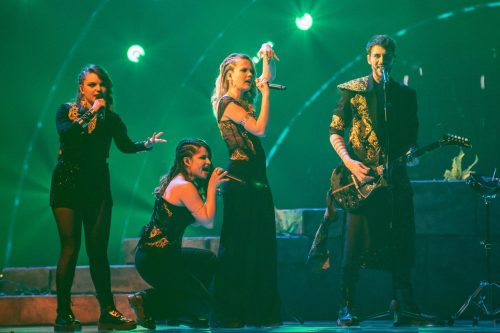
ITALY: The performance of Italy, now that Blanco is around, is rather disappointing. This is mainly due to the poor vocals of both. Mahmood is dressed in black, Blanco in white and there is a lot of light. But that doesn’t help much if the vocals remain as bad as they are now. However, our friends from songfestivalweblog.nl remember that Mahmood did not excel during the rehearsals in 2019 either, but when it came to the jury final and the final, he really showed his best. Perhaps that will happen again three years later.

UNITED KINGDOM: Sam Ryder stands amid scaffolding singing his song. And that is all he needs for this song. His strong voice seems to be enough for a very high score, something for which the British have to go way back. The British will also finally experience that you can end up high with a good song.
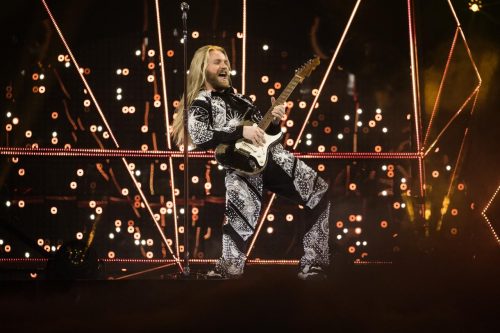
SPAIN: We remember the act, in which singing and dancing are combined, from the Spanish national final. This usually has an effect on the singer’s voice. Not so with Chanel. Because with this performance she proves that she is more, much more than an average pop singer. Like the British, the Spaniards can look forward to the festival with confidence.
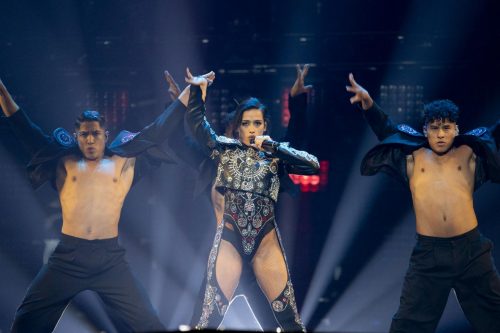
GERMANY: With guitar and drum machine Malik Harris manages to show an act that is not bad at all. As far as vocals go, Malik continues to do well. The act is not directly in the top-5 with the bookmakers, and the song is perhaps just a bit too anonymous for that. One thing is certain: Germany is also out of the lower regions this year.
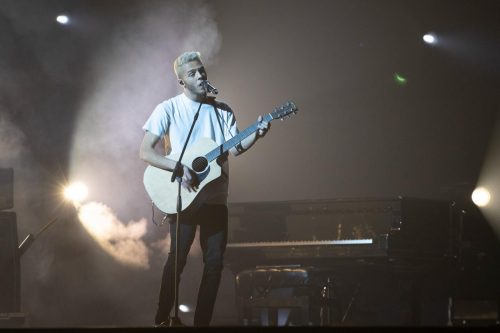
Conclusion: unlike in previous years, the Big Five seem to be doing reasonably well this year and there is even a potential winner. Has Måneskin’s win brought new impetus to these five countries? Who’ knows…?

Related news

History

Austria in the Eurovision Song Contest, part 6

This year’s Eurovision Song Contest has been won by Austria. It was the 57th Austrian entry. Reason for us to go back to all the Austrian entries in history! For the sixth episode, we look back at the nineties. With Tony Wegas’ double, and a total of three top-10 scores, the hard times began for Austria in the Eurovision Song Contest. 1992: Tony Wegas – “Zusammen geh’n” Tony Wegas, an Austrian singer and television actor, represented Austria at Eurovision 1992 with the power ballad “Zusammen geh’n”. Dieter Bohlen composed the music and Joachim Horn-Bernges wrote the lyrics, giving the song a classic pop-ballad style. Wegas delivered an emotive performance of this German-language track on the Malmö stage. “Zusammen geh’n” earned 63 points, securing a 10th place finish for Austria at the 1992 contest. 1993: Tony Wegas – “Maria Magdalena” Tony Wegas returned in 1993 to represent Austria with “Maria Magdalena,” a dramatic pop song with biblical references. He was selected internally, and presented 7 songs. Wegas, known for his singing career and TV acting, gave an engaging performance of this German-language track about Mary Magdalene. Christian Kolonovits and Johann Bertl composed the music, while Thomas Spitzer penned the lyrics, infusing the song with theatrical flair. Despite its uptempo style compared to the previous year, “Maria Magdalena” scored 32 points and placed 14th out of 25 entries at Eurovision 1993. 1994: Petra Frey – “Für den Frieden der Welt” Eight artists and songs competed in the national final. Simone participated but did not win. Petra Frey, only 16 years old at the time, represented Austria at Eurovision 1994 in Dublin with the ballad “Für den Frieden der Welt” (translated as “For the Peace of the World”). Alfons Weindorf composed the music, and brothers Karl & Johann Brunner wrote the lyrics, creating a heartfelt pop ballad calling for world peace. The song showcased Frey’s strong vocals, honed from her early schlager music career, and delivered a sincere message on stage. Austria’s 1994 entry earned 19 points, finishing in 17th place among 25 countries. 1995: Stella Jones – “Die Welt dreht sich verkehrt” Stella Jones, an Austrian singer with jazz and soul roots, took the stage in 1995 with “Die Welt dreht sich verkehrt” (meaning “The World Turns Upside Down”). Jones delivered a funky, blues-infused pop performance that reflected her versatile musical background. Michael W. Krausz both wrote the lyrics and composed the music for this entry, a song which stood out amid a contest often dominated by ballads. The Austrian entry scored 67 points, achieving a 13th place finish in the 1995 Eurovision final. 1996: George Nussbaumer – “Weil’s dr guat got” George Nussbaumer, a blind Austrian blues musician, brought a unique gospel-blues flair to Eurovision 1996 with “Weil’s dr guat got”. Sung in his native Vorarlberg dialect (the title roughly means “Because You’re Doing Well”), the song blended upbeat soul and pop elements. Nussbaumer co-wrote the entry himself. He composed the music and co-authored the lyrics with Michael W. Krausz and infused it with authentic blues style. His uplifting performance in Oslo resonated with the juries, as Austria earned 68 points and a 10th place finish at the 1996 contest. 1997: Bettina Soriat – “One Step” Bettina Soriat, an Austrian singer and stage performer, stepped into the spotlight in 1997 with “One Step.” Having been a backing vocalist for Austria’s 1996 entry, Soriat brought an upbeat dance-pop routine to Eurovision 1997. Marc Berry (stage name of Marcus Dlugaiczyk) wrote the song’s lyrics and co-composed the music with Ina Siber, crafting a catchy tune with playful choreography. Despite the energetic performance and its fun pop appeal, “One Step” received just 12 points, placing 21st out of 25 entries in the Dublin final. 1999: Bobbie Singer – “Reflection” Bobbie Singer (born Tina Schosser), an 18-year-old Austrian pop singer, returned for Eurovision 1999 after Austria’s one-year absence. She performed “Reflection,” a contemporary English-language pop song that projected a youthful, radio-friendly vibe. Dave Moskin wrote and composed “Reflection”, providing a modern pop sound accompanied by a live band on stage. Bobbie’s engaging performance in Jerusalem gave Austria a fresh image in the contest. The entry scored 65 points, achieving a 10th place finish out of 23 countries – Austria’s best Eurovision result of the 1990s.        

Read More »
History
Martijn

Austria in the Eurovision Song Contest, part 6

This year’s Eurovision Song Contest has been won by Austria. It was the 57th Austrian entry. Reason for us to go back to all the Austrian entries in history! For the sixth episode, we look back at the nineties. With Tony Wegas’ double, and a total of three top-10 scores, the hard times began for Austria in the Eurovision Song Contest. 1992: Tony Wegas – “Zusammen geh’n” Tony Wegas, an Austrian singer and television actor, represented Austria at Eurovision 1992 with the power ballad “Zusammen geh’n”. Dieter Bohlen composed the music and Joachim Horn-Bernges wrote the lyrics, giving the song a classic pop-ballad style. Wegas delivered an emotive performance of this German-language track on the Malmö stage. “Zusammen geh’n” earned 63 points, securing a 10th place finish for Austria at the 1992 contest. 1993: Tony Wegas – “Maria Magdalena” Tony Wegas returned in 1993 to represent Austria with “Maria Magdalena,” a dramatic pop song with biblical references. He was selected internally, and presented 7 songs. Wegas, known for his singing career and TV acting, gave an engaging performance of this German-language track about Mary Magdalene. Christian Kolonovits and Johann Bertl composed the music, while Thomas Spitzer penned the lyrics, infusing the song with theatrical flair. Despite its uptempo style compared to the previous year, “Maria Magdalena” scored 32 points and placed 14th out of 25 entries at Eurovision 1993. 1994: Petra Frey – “Für den Frieden der Welt” Eight artists and songs competed in the national final. Simone participated but did not win. Petra Frey, only 16 years old at the time, represented Austria at Eurovision 1994 in Dublin with the ballad “Für den Frieden der Welt” (translated as “For the Peace of the World”). Alfons Weindorf composed the music, and brothers Karl & Johann Brunner wrote the lyrics, creating a heartfelt pop ballad calling for world peace. The song showcased Frey’s strong vocals, honed from her early schlager music career, and delivered a sincere message on stage. Austria’s 1994 entry earned 19 points, finishing in 17th place among 25 countries. 1995: Stella Jones – “Die Welt dreht sich verkehrt” Stella Jones, an Austrian singer with jazz and soul roots, took the stage in 1995 with “Die Welt dreht sich verkehrt” (meaning “The World Turns Upside Down”). Jones delivered a funky, blues-infused pop performance that reflected her versatile musical background. Michael W. Krausz both wrote the lyrics and composed the music for this entry, a song which stood out amid a contest often dominated by ballads. The Austrian entry scored 67 points, achieving a 13th place finish in the 1995 Eurovision final. 1996: George Nussbaumer – “Weil’s dr guat got” George Nussbaumer, a blind Austrian blues musician, brought a unique gospel-blues flair to Eurovision 1996 with “Weil’s dr guat got”. Sung in his native Vorarlberg dialect (the title roughly means “Because You’re Doing Well”), the song blended upbeat soul and pop elements. Nussbaumer co-wrote the entry himself. He composed the music and co-authored the lyrics with Michael W. Krausz and infused it with authentic blues style. His uplifting performance in Oslo resonated with the juries, as Austria earned 68 points and a 10th place finish at the 1996 contest. 1997: Bettina Soriat – “One Step” Bettina Soriat, an Austrian singer and stage performer, stepped into the spotlight in 1997 with “One Step.” Having been a backing vocalist for Austria’s 1996 entry, Soriat brought an upbeat dance-pop routine to Eurovision 1997. Marc Berry (stage name of Marcus Dlugaiczyk) wrote the song’s lyrics and co-composed the music with Ina Siber, crafting a catchy tune with playful choreography. Despite the energetic performance and its fun pop appeal, “One Step” received just 12 points, placing 21st out of 25 entries in the Dublin final. 1999: Bobbie Singer – “Reflection” Bobbie Singer (born Tina Schosser), an 18-year-old Austrian pop singer, returned for Eurovision 1999 after Austria’s one-year absence. She performed “Reflection,” a contemporary English-language pop song that projected a youthful, radio-friendly vibe. Dave Moskin wrote and composed “Reflection”, providing a modern pop sound accompanied by a live band on stage. Bobbie’s engaging performance in Jerusalem gave Austria a fresh image in the contest. The entry scored 65 points, achieving a 10th place finish out of 23 countries – Austria’s best Eurovision result of the 1990s.        

Read More »
Follow Us: