About
Biography
Şebnem Paker (born 20 July 1977) is a Turkish singer, guitarist and music teacher best known for representing Turkey in the Eurovision Song Contest in the 1990s. She competed at Eurovision twice, in 1996 and 1997, and achieved Turkey’s then-best result with a third-place finish in 1997. Outside of Eurovision, Paker built a career as a music educator, transitioning from pop performer to respected teacher over the years. In doing so, she has led a successful yet low-profile life in music, balancing her passion for song with a dedication to teaching future generations.
Early Life and Musical Beginnings
Şebnem Paker was born in Istanbul, Turkey, and showed an early aptitude for music. She pursued formal musical training from a young age. Paker attended the Istanbul University State Conservatory in the early 1990s, studying classical guitar. Later, in 1996, she enrolled in the music department of Marmara University to study voice (singing), further expanding her musical skills. This strong foundation in both instrumental and vocal music prepared Paker for the professional stage. By her late teens, she was ready to share her talents with a wider audience, setting the stage for her debut on the national music scene.
Eurovision Journey and Musical Success
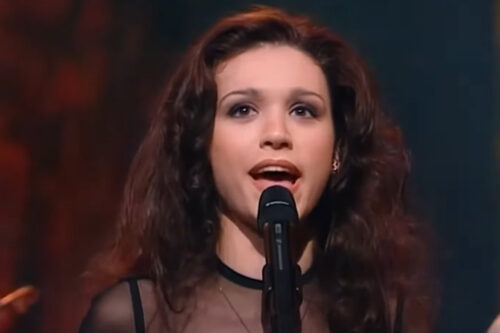
Paker’s big break came at age 19, when she entered Turkey’s national competition for the Eurovision Song Contest in 1996. She won the Turkish selection with the song “Beşinci Mevsim” and went on to perform it at Eurovision 1996 in Oslo. That year, the young singer placed 12th in the international final. Building on this experience, Paker returned to Eurovision the very next year.
In 1997, she performed the song “Dinle” in Dublin, accompanied by the folk ensemble Grup Etnik. The mid-tempo ethnic pop song captivated the Eurovision audience with its blend of Turkish traditional instruments and modern arrangement. Şebnem Paker earned 121 points and finished in 3rd place, making history as Turkey’s first-ever top-three Eurovision result. This outstanding achievement was Turkey’s best Eurovision finish at that time, and it remained one of Turkey’s highest rankings for years to come. In 1998, she made one more attempt to reach Eurovision, competing in the Turkish national finals with a song titled “Çal.” However, her 1998 entry did not win the selection, marking the end of Paker’s Eurovision journey on a high note from the previous year.
After Eurovision: Music and Teaching Career
Following her Eurovision appearances, Şebnem Paker continued her musical endeavors in a different direction. She released her first and only studio album, Dinle, in mid-1997, named after her hit song. The album allowed her to showcase more of her music, but Paker did not pursue a long-term pop stardom afterward. Instead, she chose to focus on her education and a more sustainable career in music. Paker graduated from Marmara University’s music education program in 2000. After graduation, she worked for several years in private educational institutions as a music instructor, honing her teaching skills. In 2004, she officially became a music teacher in the public school system, a role she has maintained ever since.
Over the years, Paker taught at fine arts high schools in Istanbul, training young students in vocal performance and musicianship. This path allowed her to stay connected to the art of singing without the glare of showbiz. She never truly quit singing. Instead of performing on big stages, she imparted her knowledge to the next generation as a respected voice instructor and music teacher. In 2023, news of Paker’s appointment to a music teaching position in Milas (in Muğla province) made headlines in Turkey, prompting media to fondly recall her Eurovision triumph in 1997. Through her work in schools, she has quietly continued contributing to Turkey’s music scene by shaping new talent and encouraging music appreciation among youth.
Personal Life and Lasting Legacy
Şebnem Paker’s personal life has been much more low-key than her brief pop stardom. She married in 2012 and is a mother of two children. By all accounts, she chose family and a stable career over the trappings of celebrity. Paker has been described as leading a modest life with her loved ones while still staying involved in music through her teaching. Her legacy in Turkish music is defined by quality over quantity.